Happy Chronic Disease Month!
Kinda like saying Happy Passover. Passover marks a horrible era in history that culminated in many deaths and was the result of (allegorically speaking) about a century of enslavement. As my friend, Squirrel (for the purposes of this blog) says, Happy Plagues of [fill in the plagues] Day!
But the point isn’t the diseases themselves, but the acknowledgment that hundreds of millions of people live their lives with an extra burden. Literally half of the American population, and many of us with multiples.
This year, I had the opportunity to conduct patient interviews for a client. The patients’ conditions were difficult, burdensome, and invasive. But they all lived some kind of life. Maybe it was more restrictive than they had anticipated before diagnosis, or maybe they pushed through to keep the lives they had before, even knowing there would be fallout. But, to a one, they had built something that worked for them. Imperfect always, but still functional.
(You know, it’s ok that sometimes getting out of bed to use the bathroom – or even having the courage to ask for help to use the bathroom, is your biggest accomplishment of the day.)
As these interviews progressed, I found that, more and more often, I wanted to point out what a good job they were doing. Something along the lines of, “Look at what you have been through. Look at how far you have come. Do you see it? How you have somehow found your feet, at least some of the time, despite everything that comes with your condition?”
Those of us with conditions, as well as our families and our caregivers, know that even one disease is like having an extra full-time job. Not only do you have the symptoms and treatments (tasks) you have to juggle, but there are doctors’ appointments, lab tests (management meetings and reviews), and the time spent tracking down missing prescriptions or arguing coverage decisions (indirect costs).
Also like a full-time job, having a chronic condition can sap your energy, steal your vacations, and take you away from your family.
The biggest difference is that this full-time job drains your financial resources instead of growing them.
It’s a pretty big difference.
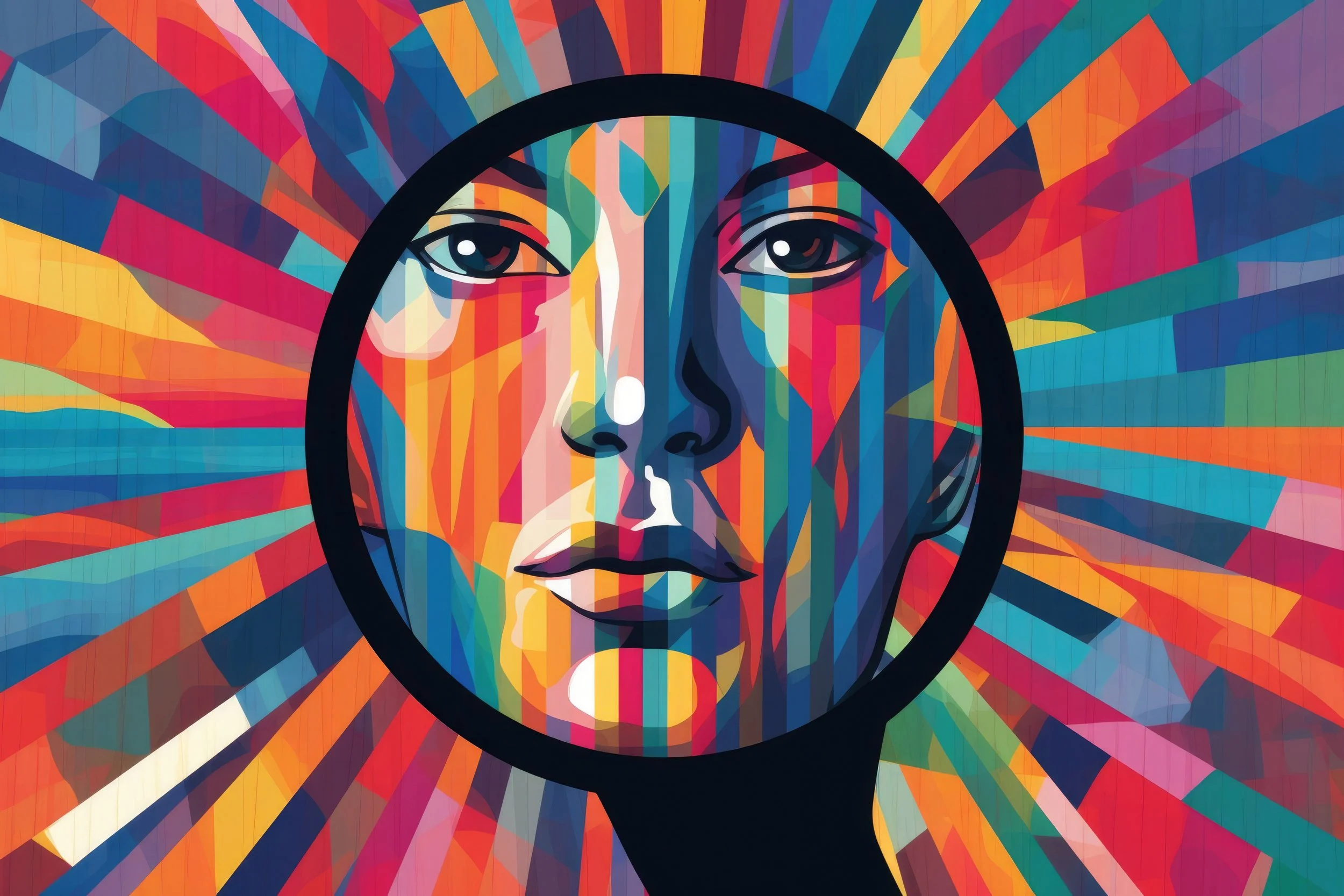
So, when you look in the mirror as a chronic disease patient (or caregiver), what do you see?
I hope it is the strength and resilience you were forced to learn.
I hope it is the bravery it takes to muddle through, accepting hard truths and harder unknowns, putting one foot, one day, after another.
I hope it is the care and consideration it takes to forgive yourself for not sticking to a difficult regimen 100% of the time because it is just too hard.
To paraphrase Bette Davis, chronic disease ain’t for sissies (apologies for the word). It doesn’t discriminate. It doesn’t care if you are rich or poor, educated or not, if you have a family or you’re alone, if you are active or sedentary, whether you are on a good track or bad. We are all vulnerable.
So, sometime this month, I would ask that you take a moment to look – really look – at yourself in that mirror and see what I see when you tell me your story.
You are extraordinary.
